

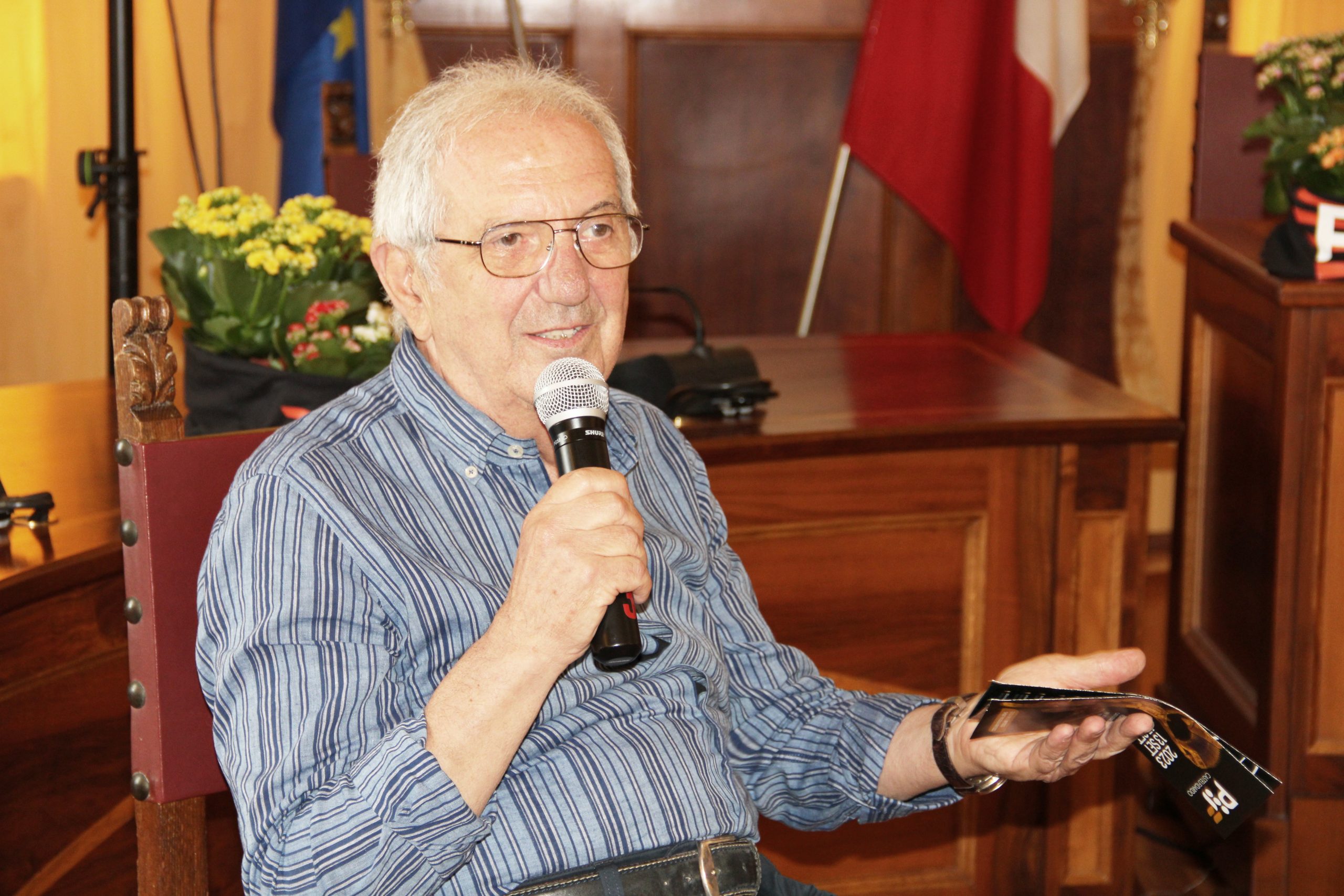
Q. Could you tell us something about the city where you were born and the cultural and human environment in which you grew up?
A. Castelfidardo is a town whose people have always valued one word above all: work. There is little “art,” just enough “culture,” a fair amount of skepticism, and a deep, enduring attachment to manual labor.
Q. Did your family have any connections to the world of music? If so, what kind of activities were they involved in?
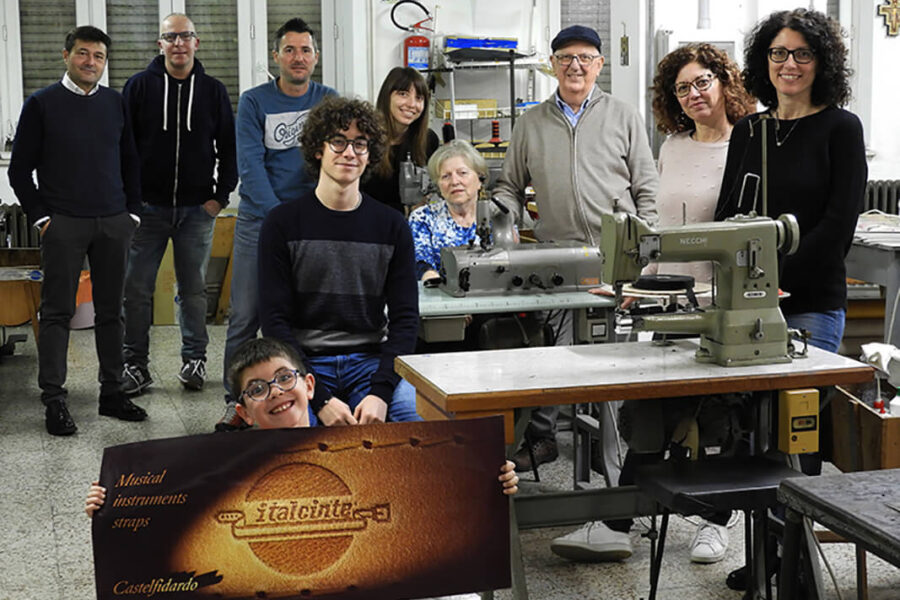
A. I would say very significant connections. One of my uncles, Marino Pigini, owned a large company until the mid-1950s whose accordions were almost entirely exported to the United States (an interview of his published as a full-page feature in The New York Times caused great enthusiasm in the accordion world). A cousin of mine, Pasquale Pigini, founded a major record label in Milan (Embassy), which featured very famous pop singers and two jazz bands. Another cousin, Oliviero Pigini, founded in Castelfidardo what became Europe’s largest guitar factory, “EKO,” later moved to Recanati. My father, Gilberto, went from being a shoemaker’s apprentice to founding in 1946 “Italcinte,” specializing in straps for accordions and guitars (with clients such as Fender and Gibson). A music lover, he was a friend and admirer of the famous tenor Beniamino Gigli—that is why I was named Beniamino.
Q. To what extent did your parents influence your professional choices and your life path?
A. After studying agronomy at a college in Macerata (which I endured with dignity) and after two years as a non-commissioned officer in the Italian Army (tank driver) in the Centauro Armored Division, I freely chose what I believed would be my future: cinema. I attended the Experimental Center of Cinematography in Rome while also collaborating with the International Amateur Film Festival in Castelfidardo. After making a few amateur films with some success, I was called back home by my family to take responsibility for Italcinte. A few months later, I married Manola Pescatore (I could not have made a better choice).
Q. How did your entrepreneurial activity affect your personal life and daily balance?
A. The decision, shared with my parents, siblings, and my wife, was decisive for my future. I must thank them for the absolute freedom they gave me for all my later ventures in life.
Q. Has your family always shared and supported your passion for music?
A. In some cases, with enthusiasm and active participation.
Q. What strategies do you think are most effective today to promote and enhance the accordion?
A. Today, with technology evolving at an impressive pace, the accordion world should pay closer attention both to how it presents itself to young people and the media, and to how it integrates more effectively into major television productions and large-scale concert events.
Q. You are the author of numerous publications: what led you to also engage in editorial work and writing?
A. I believe that to bring young people closer to music, it is essential to introduce them to the stories of figures who have significantly shaped musical tastes over time. Opera, for example, is an inexhaustible source of experiences: musical, theatrical, imaginative, and above all vocal.
Q. You have also written several articles: are they accessible to the public today, and if so, through which channels?
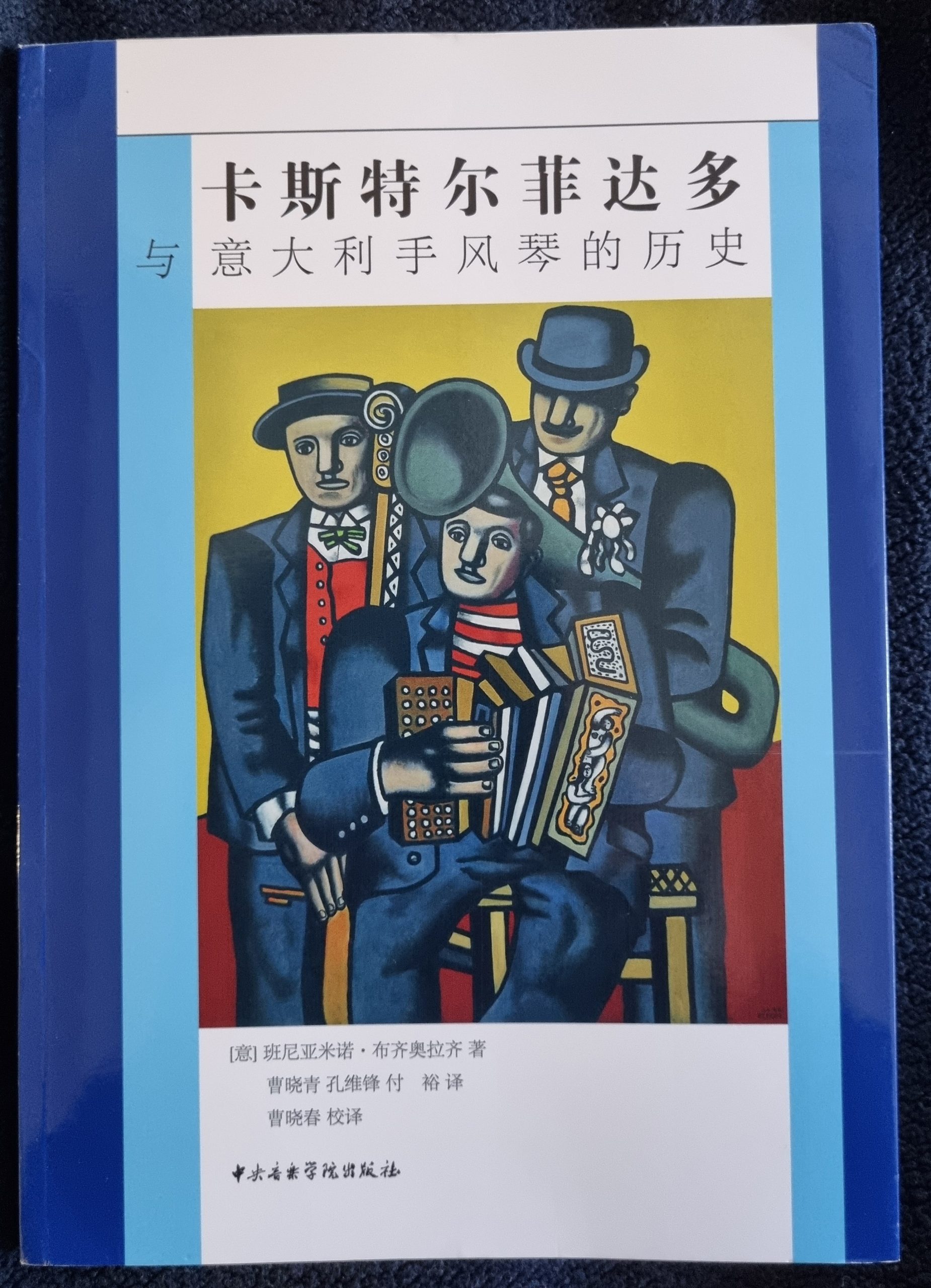
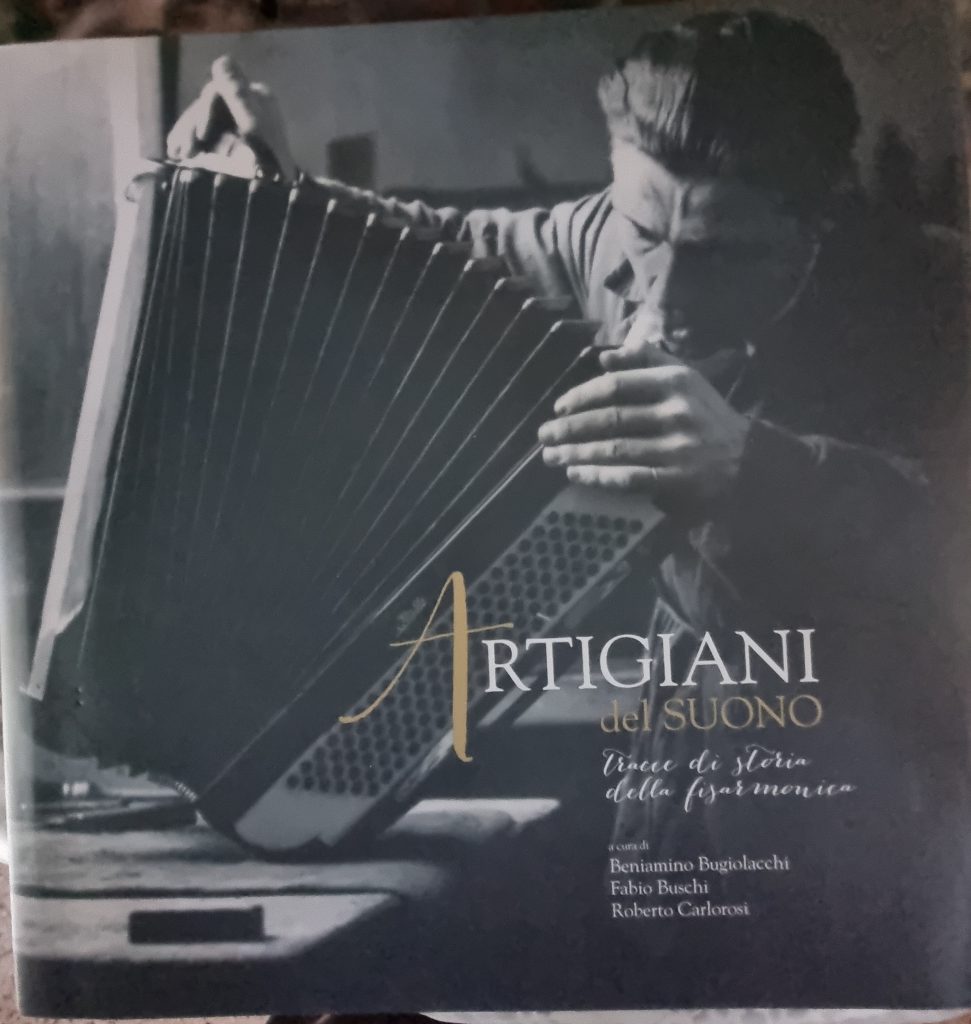
A. There is Social Meida, where you can now find almost everything… including my articles, collaborations with RAI, and interviews. Some of my books (such as Artigiani del suono, Castello in cartolina, etc.) are available in libraries. For example, in the library of Teatro alla Scala in Milan you can find the biography I wrote of the tenor from Castelfidardo, Mario Binci (who inaugurated the opera season of the Milanese theater under the direction of Maestro Arturo Toscanini).
Q. The Frankfurt Musikmesse has long been an important international reference point: what has been your relationship with this event?
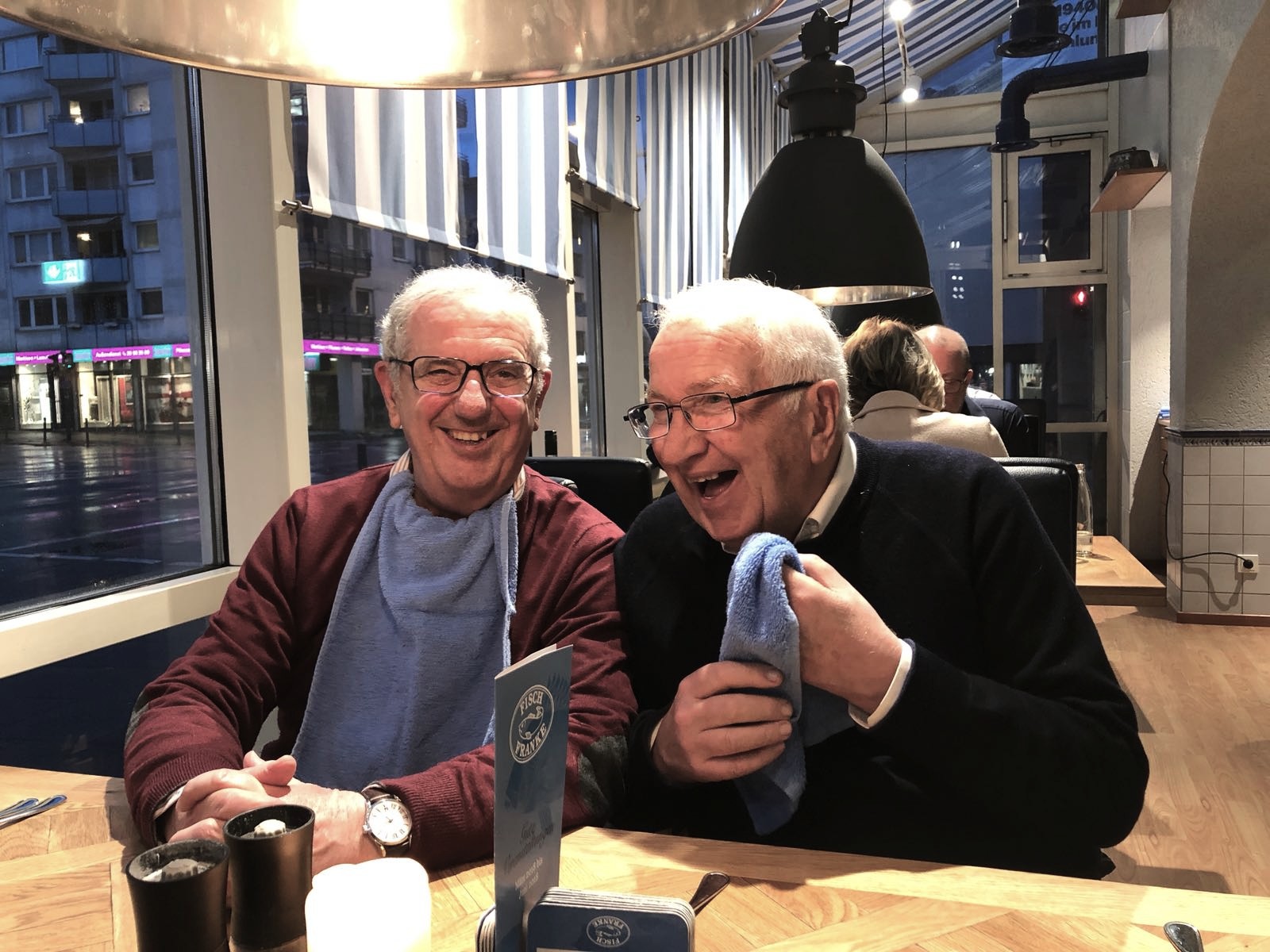
A. Well, I believe I was one of the few people who attended the Musikmesse continuously, either as an exhibitor or as an interested visitor, from 1967 to 2019 (fifty-two years). In this regard, I would like to remember my dear and unforgettable friend Amleto Dallapè, a person of profound culture, with whom I had the fortune to share musical evenings of great value in the city’s magnificent theaters, as well as very enjoyable social gatherings with clients and friends. A particularly exciting experience was organizing, with the support of the Chamber of Commerce of Ancona, the Municipality of Castelfidardo, and the Municipality of Frankfurt, a musical evening at the Palmengarten, featuring the exceptional Richard Galliano.
Q. Are you also a collector of LPs, CDs, or other musical media?
A. I have collected around 3,000 LPs and CDs related to the accordion, and just as many of pop and opera music. I have also gathered about two hundred volumes published in various countries on the history and construction technologies of reed instruments. Another “madness”… I collected nearly two thousand postcards depicting the major theaters and arenas around the world.
Q. Which achievements or milestones in your career do you consider a source of particular pride and satisfaction?
A. Without a doubt, having contributed to the introduction of accordion studies in Italian Conservatories, having played a key role in the founding of the International Accordion Museum, and being one of the promoters of the International Accordion Competition of Castelfidardo (today P.I.F.).
Q. Together with your great friend Aldo, you contributed to the twinning between Castelfidardo and Klingenthal, two symbolic cities of the accordion: how did this initiative come about?
A. With the strong support of the then mayor Tersilio Marotta and the late mayor Mirco Soprani. I recall that the municipal administration of which I was part requested the opportunity to meet the administrators of Klingenthal to begin a path of friendship and exchange with a city known for its accordion manufacturing companies and for organizing a prestigious international event. It was a very rewarding experience, which I hope the two administrations will continue in the years to come.
Q. Over the years, you have promoted numerous musical events: which do you remember as the most significant?
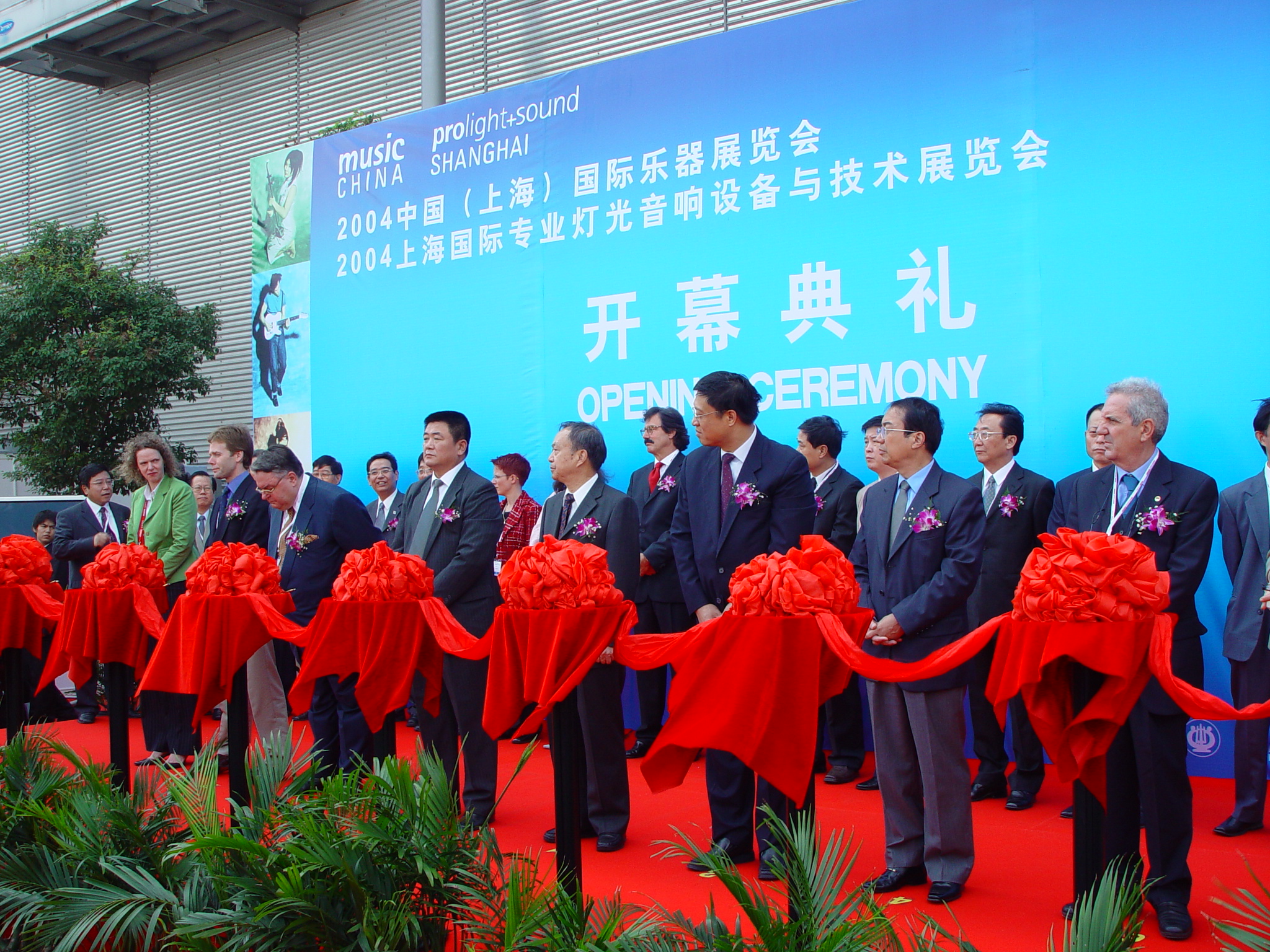
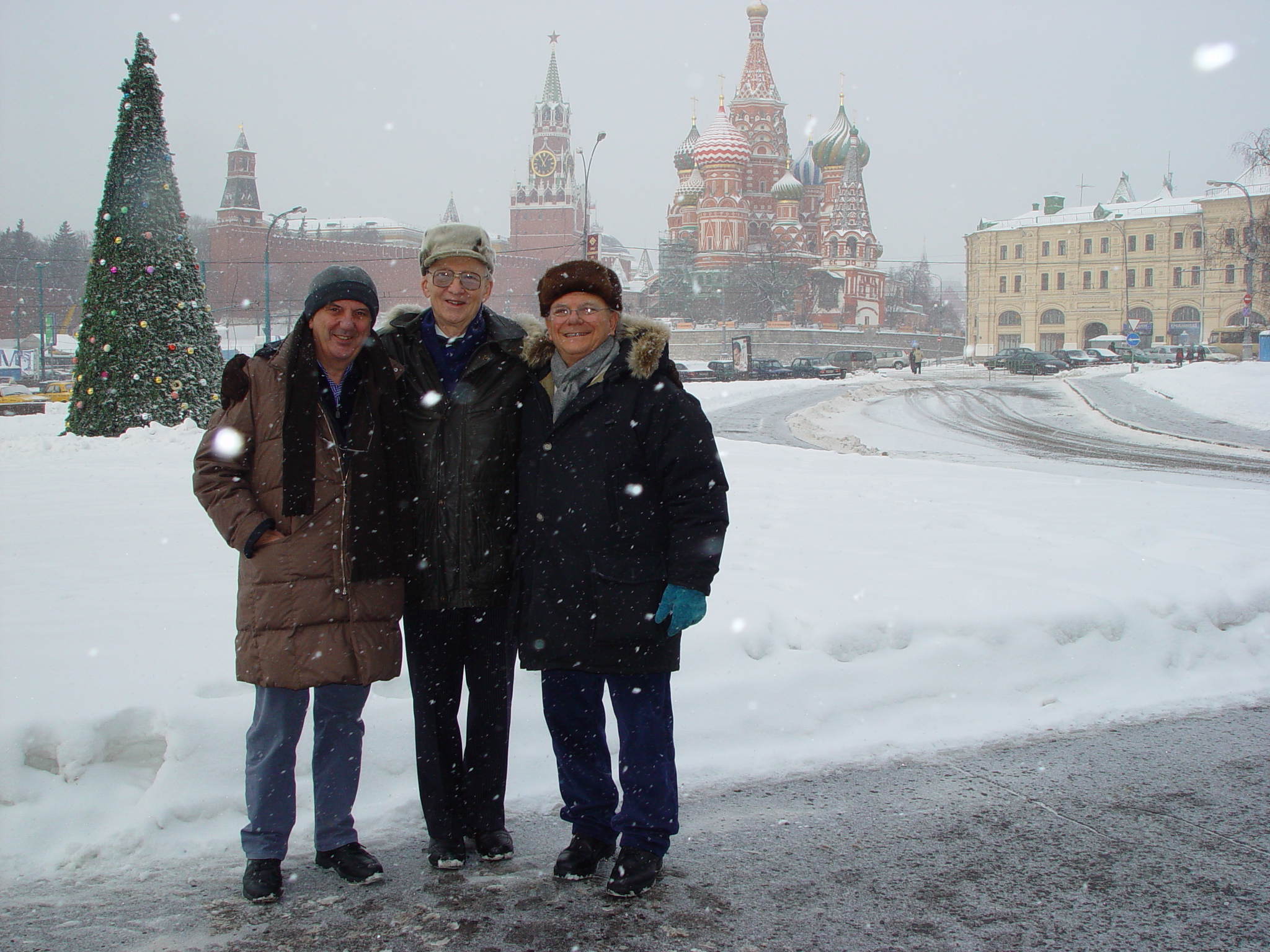
A. Throughout these years (from 1961 to 2015), I had the good fortune to collaborate with institutions at both local and national levels, which allowed me to discover cultural realities in different countries. Organizing events with skilled professionals from Confartigianato, the Marche Region, and the Italian Trade Agency was fundamental for me. I worked to promote the accordion at trade fairs in Ancona, Pesaro, Bologna, Frankfurt, the Cité de la Musique in Paris, Tokyo, São Paulo, Shanghai, Oslo, Los Angeles, Sydney, and Moscow. Alongside these fairs, and with the help of invaluable collaborators, we also organized thematic conferences in conservatories and cultural institutes, as well as concerts in the most prestigious theaters of those cities.
Q. Have you ever held roles in local administration or institutional life?
A. I served for two terms as a councilor for the Municipality of Castelfidardo and for five years as national president of artisans producing musical instruments. During those years (1981–1985), as head of Culture, I contributed to the introduction of the accordion into Italian conservatories (through a conference in Rome with the directors of 15 conservatories in the presence of the Minister of Public Education). Perhaps this initiative gave me one of my greatest satisfactions. In those same years, the P.I.F. (International Accordion Prize) was also established.
Q. You were also director of the International Accordion Museum of Castelfidardo: what does this experience represent for you, both personally and culturally?
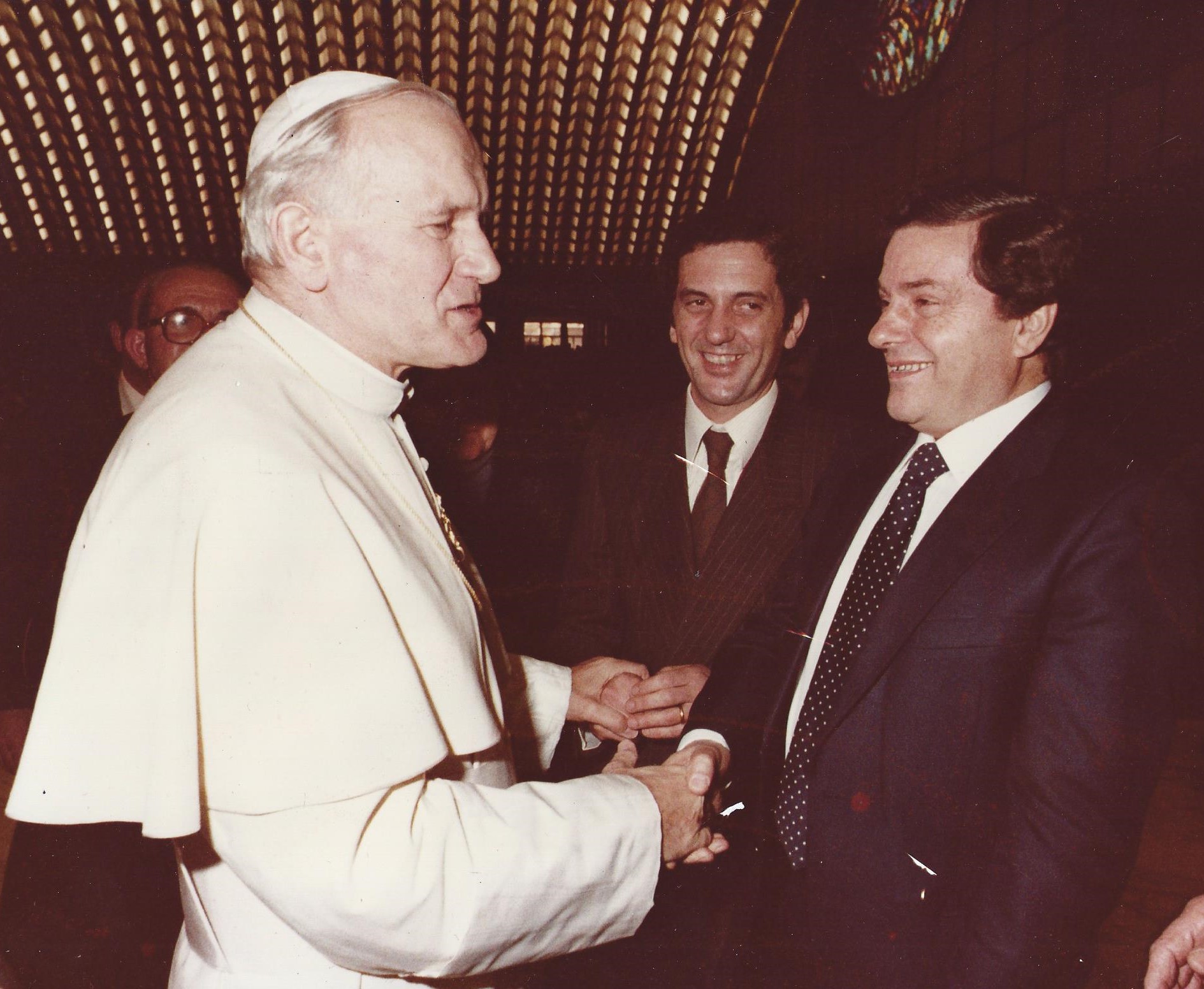
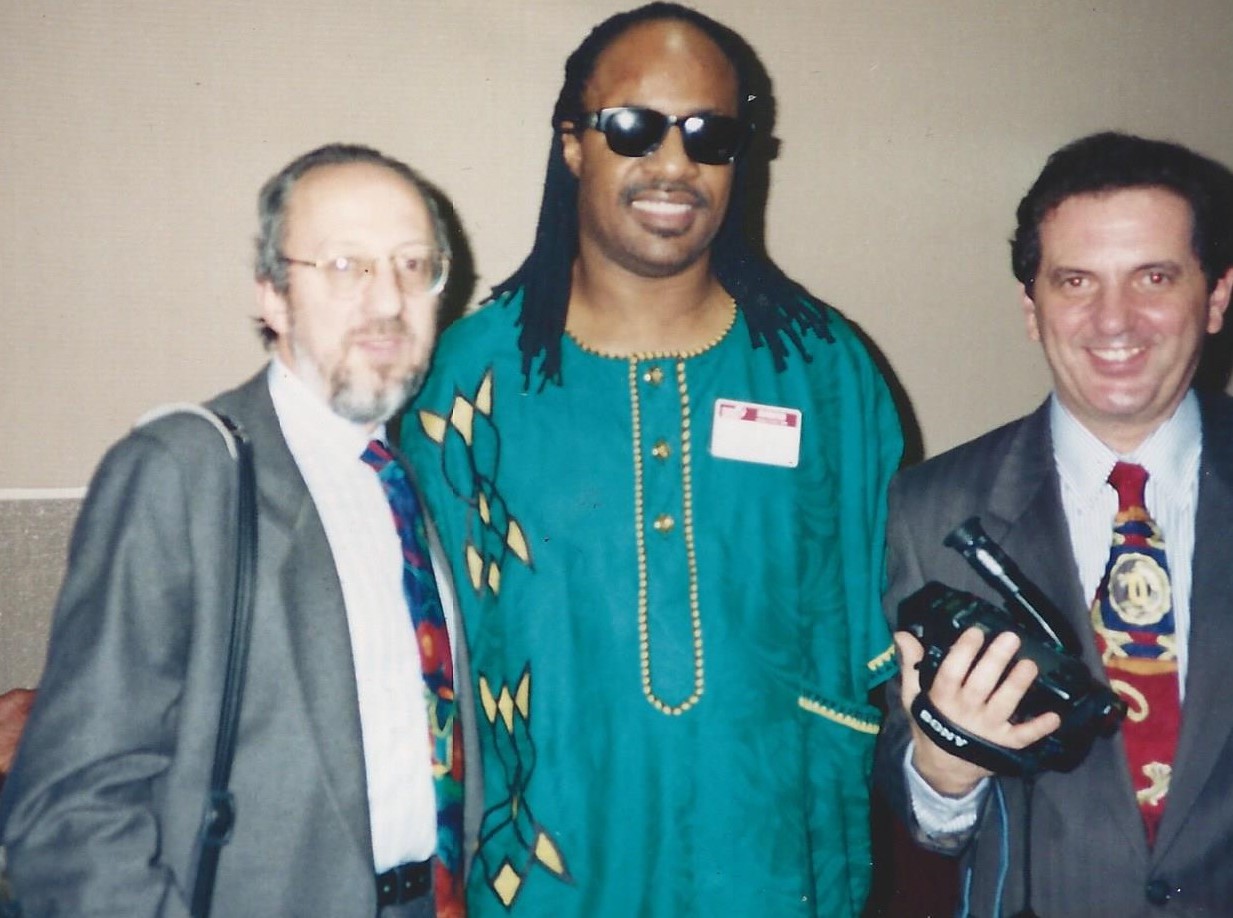
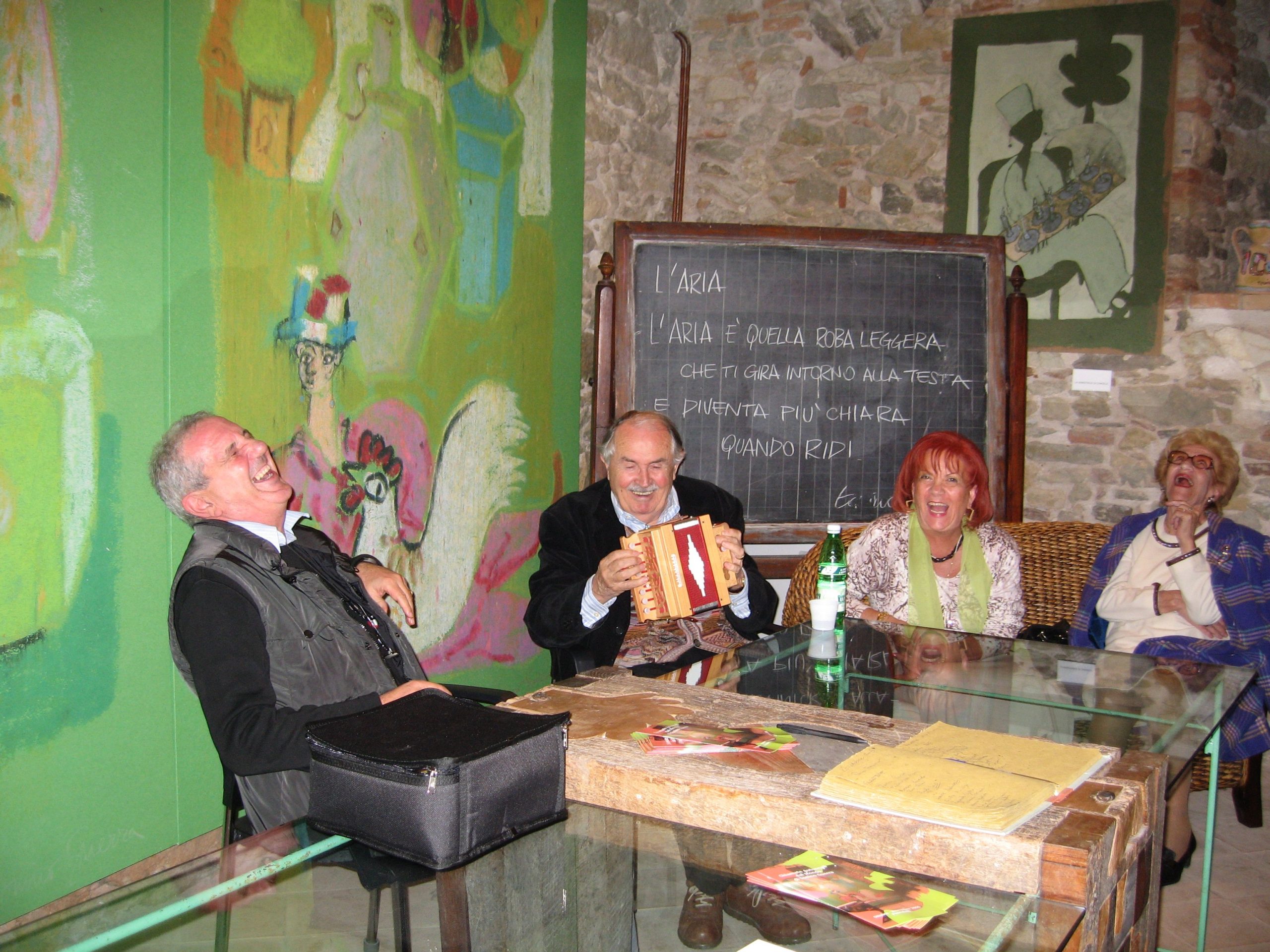
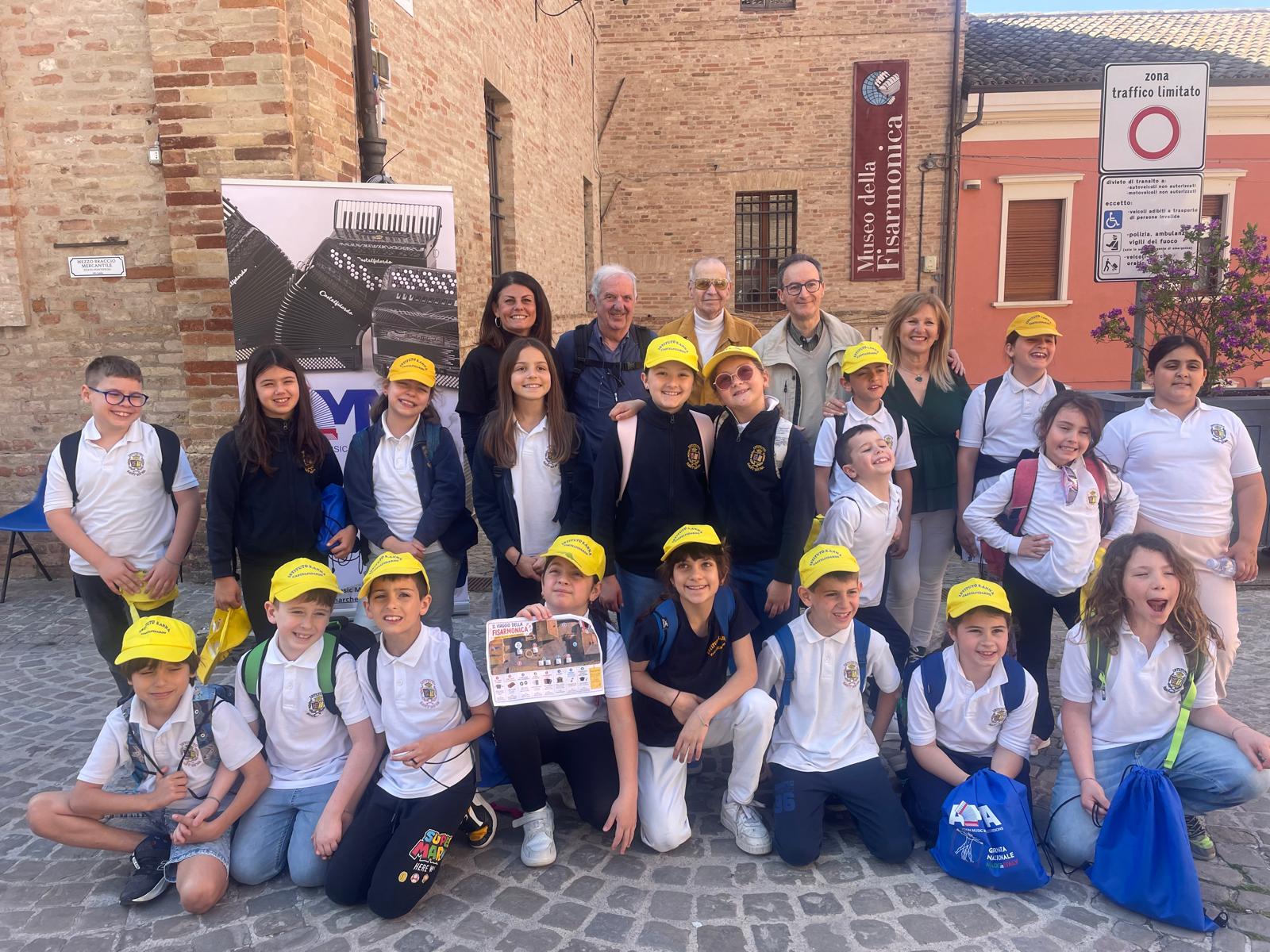
A. Indeed, in 1981, together with Vincenzo Canali, then president of the Pro Loco, I founded the International Accordion Museum and served as its director for 31 years. It was an unforgettable experience, both culturally—having had the opportunity to closely engage with the global music world—and personally, through meeting and exchanging ideas with figures from the artistic and musical world such as Tonino Guerra, Ennio Morricone, Adriano Celentano, and Andrea Bocelli.
THOUGHTS …… a long dialogue between memory and future, between what we have been and what we may still become.
ITALIAN
D. Può raccontarci qualcosa della città in cui è nato e del contesto culturale e umano in cui è cresciuto?
R. Castelfidardo è una città in cui, da sempre, una sola parola ha risuonato più forte delle altre: lavoro. L’arte vi resta appena in un sussurro, la cultura si manifesta quanto basta, mentre una sottile diffidenza accompagna la vita quotidiana. Eppure, tra queste strade, vive qualcosa di profondo e costante: un legame antico e tenace con il lavoro delle mani, instancabile e silenzioso.
D. La sua famiglia aveva legami con il mondo musicale? In caso affermativo, quali attività svolgevano?
R. Direi legami molto importanti. Uno dei miei zii, Marino Pigini, fino alla metà degli anni ’50 possedeva una grande azienda le cui fisarmoniche venivano quasi interamente esportate negli Stati Uniti (una sua intervista pubblicata a tutta pagina sul New York Times suscitò grande entusiasmo nel mondo della fisarmonica). Un mio cugino, Pasquale Pigini, ha fondato a Milano una importante casa discografica (Embassy), che annoverava tra i suoi artisti famosi cantanti di musica leggera e due band jazz. Un altro cugino, Oliviero Pigini, ha fondato a Castelfidardo quella che è diventata la più grande fabbrica europea di chitarre, la “EKO”, poi trasferita a Recanati. Mio padre, Gilberto, passò da apprendista calzolaio a fondatore, nel 1946, della “Italcinte”, specializzata in tracolle per fisarmoniche e chitarre (tra i clienti Fender e Gibson). Melomane, amico e ammiratore del grande tenore Beniamino Gigli: ed è per questo che porto il nome Beniamino.
D. In che misura i suoi genitori hanno influenzato le sue scelte professionali e il suo percorso di vita?
R. Dopo gli studi in agraria a Macerata (portati avanti con dignità) e dopo due anni come graduato nell’Esercito Italiano come carrista nella Divisione Corazzata Centauro, ho scelto liberamente quello che credevo sarebbe stato il mio futuro: il cinema. Ho frequentato il Centro Sperimentale di Cinematografia a Roma, collaborando contemporaneamente con la Rassegna Internazionale del Cinema d’Amatore a Castelfidardo. Dopo alcuni film amatoriali realizzati con buon successo, fui richiamato a casa dalla famiglia per assumermi la responsabilità della Italcinte. Poco dopo mi sono sposato con Manola Pescatore (la scelta migliore che potessi fare).
D. In che modo la sua attività imprenditoriale ha inciso sulla sua vita personale e sul suo equilibrio quotidiano?
R. La decisione, condivisa con i miei genitori, i miei fratelli e mia moglie, è stata determinante per il mio futuro. Devo a loro la gratitudine per la totale libertà che mi hanno sempre concesso nelle mie successive avventure di vita.
D. La sua famiglia ha sempre condiviso e sostenuto la sua passione per la musica?
R. In alcuni casi con entusiasmo e partecipazione attiva.
D. Quali strategie ritiene più efficaci oggi per favorire la diffusione e la valorizzazione della fisarmonica?
R. Oggi, con una tecnologia che evolve a una velocità impressionante, il mondo della fisarmonica dovrebbe prestare maggiore attenzione sia a come si presenta ai giovani e ai media, sia alla capacità di inserirsi con più forza e competenza nei grandi spettacoli televisivi e nei concerti-evento.
D. È autore di numerose pubblicazioni: cosa l’ha spinta a dedicarsi alla scrittura?
R. Credo che per avvicinare i giovani alla musica sia fondamentale far conoscere le storie di personaggi che hanno contribuito in modo decisivo all’evoluzione dei gusti musicali nel tempo. L’opera lirica, ad esempio, è una fonte inesauribile di esperienze: musicali, teatrali, di fantasia scenografica e soprattutto vocali.
D. I suoi articoli sono oggi accessibili al pubblico? E attraverso quali canali?
R. Sui social media si trova ormai di tutto… compresi i miei articoli, collaborazioni RAI e interviste. Alcuni miei libri (Artigiani del suono, Castello in cartolina, ecc.) sono disponibibili in varie biblioteche. Ad esempio, nella biblioteca del Teatro alla Scala di Milano è conservata la biografia che ho scritto del tenore fidardense Mario Binci (che inaugurò la stagione lirica del teatro milanese sotto la direzione del Maestro Arturo Toscanini).
D. Il Musikmesse di Francoforte è stato un punto di riferimento internazionale: qual è stato il suo rapporto con questa manifestazione?
R. Credo di essere stato tra le poche persone a partecipare ininterrottamente alla Musikmesse, come espositore o visitatore interessato, dal 1967 al 2019 (cinquantadue anni). Ricordo con grande affetto il mio caro amico Amleto Dallapè, persona di profonda cultura, con cui ho condiviso serate musicali di altissimo livello nei teatri della città e momenti conviviali molto piacevoli con clienti e amici. Una delle esperienze più belle è stata l’organizzazione, con il supporto della Camera di Commercio di Ancona, del Comune di Castelfidardo e del Comune di Francoforte, di una serata musicale al Palmengarten, con protagonista d’eccezione Richard Galliano.
D. È anche collezionista di supporti musicali?
R. Ho raccolto circa 3.000 tra LP e CD dedicati alla fisarmonica e altrettanti di musica leggera e lirica. Possiedo inoltre circa duecento volumi pubblicati in diversi Paesi sulla storia e le tecniche costruttive degli strumenti ad ancia. Un’altra “pazzia” è la mia collezione di quasi duemila cartoline raffiguranti i principali teatri e arene del mondo.
D. Quali risultati considera oggi motivo di particolare orgoglio?
R. Sicuramente aver contribuito all’ingresso dello studio della fisarmonica nei Conservatori italiani, aver avuto un ruolo determinante nella fondazione del Museo Internazionale della Fisarmonica e aver promosso il Concorso Internazionale di Fisarmonica di Castelfidardo (oggi P.I.F.).
D. Insieme al suo amico Aldo ha contribuito al gemellaggio tra Castelfidardo e Klingenthal: come nacque l’iniziativa?
R. Con il convinto sostegno dell’allora sindaco Tersilio Marotta e del successivo sindaco Mirco Soprani. Ricordo che l’amministrazione comunale di cui facevo parte chiese un incontro con gli amministratori di Klingenthal per avviare un percorso di amicizia e scambi con una città a forte tradizione di costruzione di fisarmoniche e con una prestigiosa rassegna internazionale. È stata un’esperienza straordinaria, che spero possa continuare anche in futuro.
D. Quali eventi musicali ricorda come più significativi?
R. Tra il 1961 e il 2015 ho avuto la fortuna di collaborare con enti locali e nazionali che mi hanno permesso di conoscere realtà culturali di molti Paesi. Ho organizzato eventi con Confartigianato, Regione Marche e ICE in numerose città: Ancona, Pesaro, Bologna, Francoforte, Parigi (Cité de la Musique), Tokyo, San Paolo del Brasile, Shanghai, Oslo, Los Angeles, Sydney e Mosca. In parallelo, con collaboratori preziosi, abbiamo organizzato convegni nei conservatori e concerti nei teatri più prestigiosi.
D. Ha ricoperto incarichi nella vita istituzionale?
R. Sono stato per due mandati assessore del Comune di Castelfidardo e per cinque anni presidente nazionale degli artigiani costruttori di strumenti musicali. Tra il 1981 e il 1985, come responsabile della Cultura, ho contribuito all’ingresso della fisarmonica nei Conservatori italiani (convegno a Roma con i direttori di 15 conservatori alla presenza del Ministro della Pubblica Istruzione). In quegli anni nacque anche il P.I.F. (Premio Internazionale di Fisarmonica).
D. È stato direttore del Museo Internazionale della Fisarmonica: che esperienza è stata?
R. Nel 1981, insieme a Vincenzo Canali, allora presidente della Pro Loco, ho fondato il Museo Internazionale della Fisarmonica, del quale sono stato direttore per 31 anni. È stata un’esperienza indimenticabile, sia dal punto di vista culturale, per il contatto diretto con il mondo musicale internazionale, sia umano, grazie agli incontri con figure come Tonino Guerra, Ennio Morricone, Adriano Celentano, Andrea Bocelli e molti altri.
RIFLESSIONI …… un lungo dialogo tra memoria e futuro, tra ciò che siamo stati e ciò che potremmo ancora diventare.
